


Why You Should Pay Attention
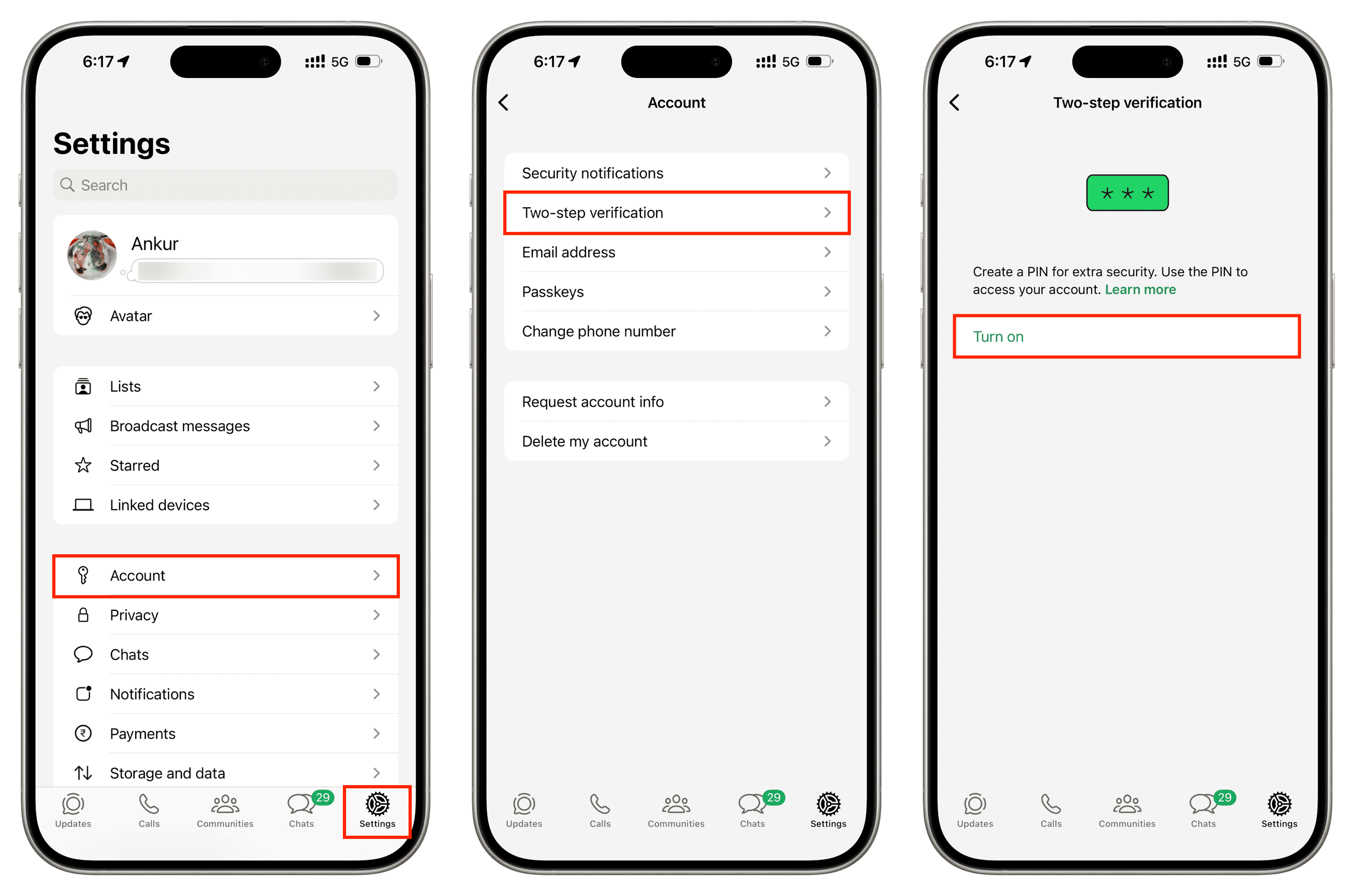
WhatsApp has introduced a stronger version of its Two-Step Verification feature, upgrading the traditional six-digit PIN to a more robust password that can be longer, include letters and special characters, and provide an additional layer of protection against account takeover. WhatsApp says the stronger verification is designed to help protect accounts even when an attacker manages to obtain a user’s one-time registration code.
Why does this matter?
WhatsApp is no longer just a messaging application. For many individuals and businesses, it is used to communicate with customers, share documents, discuss financial transactions and manage business relationships. Losing control of a WhatsApp account can therefore have consequences beyond simply losing access to messages.
Cybercriminals commonly use social engineering, phishing and impersonation to convince users to reveal verification codes or other sensitive information. Two-step verification adds another barrier that can make account takeover more difficult.
Your WhatsApp account should be treated like a digital asset, not simply a messaging application. If criminals gain control of an account, they can potentially use your identity to target colleagues, customers, friends and family.
Enabling two-step verification should be considered a basic security measure for anyone who relies heavily on WhatsApp.
The important thing is that security should not depend on one layer. Your phone number, verification code, password, device security and user awareness should work together. Two-step verification gives you an additional layer, but it does not replace good cybersecurity habits.
WhatsApp also recommends adding and verifying an email address, which can provide an additional safeguard and assist with recovering the two-step verification method. Users should never share their WhatsApp registration code or password with anyone, even if the person claims to be from WhatsApp
Munashe Kamangira
IT Consultant
Leave a Reply